

The best exterior paint for wood is a flexible, high-quality acrylic latex applied over the right primer and solid prep. A 100% acrylic latex paint moves with the wood instead of cracking. That gives you a weather-resistant finish that holds up to sun, rain, and freeze-thaw.
Wood siding, trim, and fences give an Indiana home real character, right up until the paint starts peeling. Choosing the best exterior paint for wood is what keeps that character intact through hard winters and humid summers. Get it wrong and you are back on a ladder far too soon.
We paint a lot of wood exteriors for Indianapolis homeowners, from Lafayette to Kokomo, and the lesson is always the same: product and prep decide everything. It is the same weather-tested approach behind our exterior painting work. This guide breaks it down so you can plan or hire with confidence.
Best Exterior Wood Paint for Indiana Homes
Wood is beautiful and demanding in equal measure. The right exterior wood paint protects it from sun, rain, and Indiana’s temperature swings while looking sharp for years. The wrong one peels by the second winter.
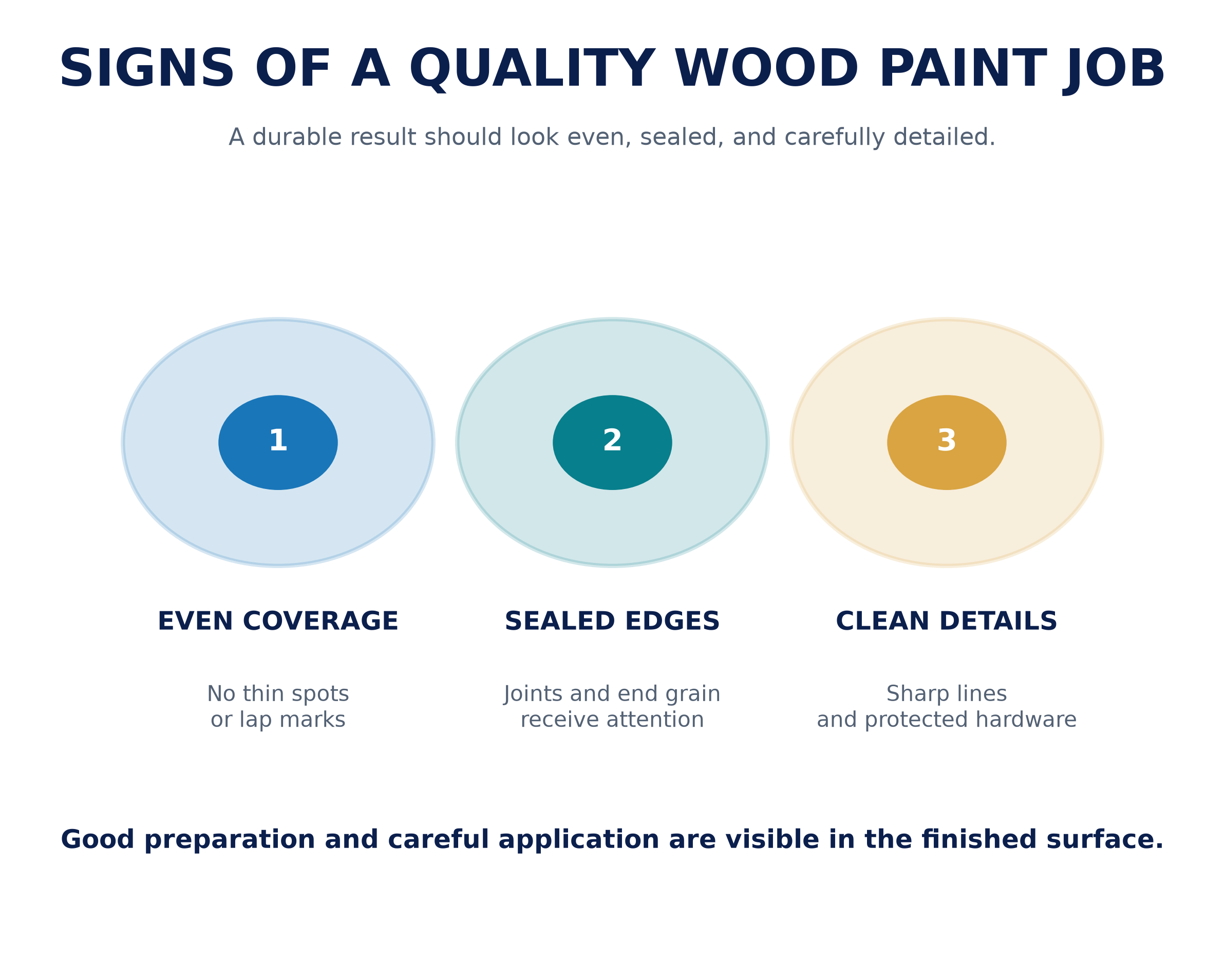
The short version is simple. You want the best exterior wood paint you can afford, applied over proper primer and prep. A quality exterior paint plus solid prep beats a premium can on a dirty surface every time.
Done right, a good system gives you a durable, long-lasting finish that shrugs off the seasons. Protection comes first, with looks close behind. The rest of this guide shows how to get there.
Why Exterior Wood Needs the Right Paint
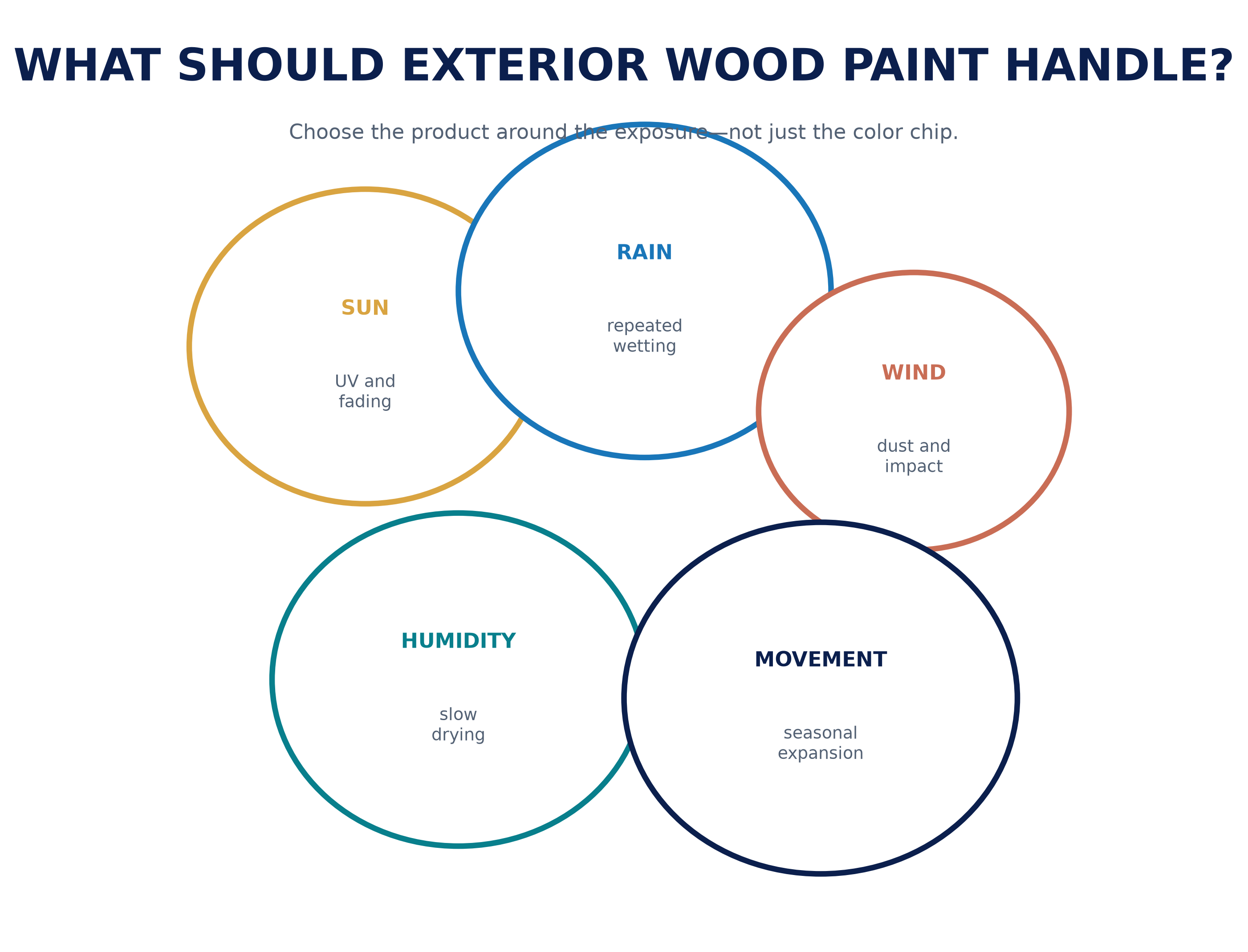
Wood moves. It swells when wet, shrinks when dry, and that constant motion is what tears ordinary paint apart. In our climate, it happens a lot.
Indiana weather and freeze-thaw cycles are especially brutal on exterior wood. Water gets into tiny cracks, freezes, expands, and pops the paint loose. That cycle is hard on wood across the Indianapolis metro and Central Indiana.
The right coating fights back on two fronts. It provides UV and moisture protection, blocking the sun that fades color and the water that causes rot. That combination is the heart of peeling and cracking prevention.
Best Types of Exterior Wood Paint
Not all exterior paints are equal for wood. The best paint for exterior wood today is 100% acrylic latex, prized for a flexibility that moves with the wood instead of cracking. Independent guidance on why acrylic wins outdoors backs that up.
Acrylic latex has largely replaced old oil-based topcoats outside, which get brittle and chalk over time. Oil-based products still earn their place as a primer over stains and tannin-heavy woods. For the finish coat, though, flexible acrylic wins.
Sheen matters outdoors, too. A satin and semi-gloss sheen sheds water and cleans up better than flat, which is why it suits trim and doors especially. Flatter finishes hide flaws but hold dirt and wear faster.
Exterior Wood Paint vs. Stain
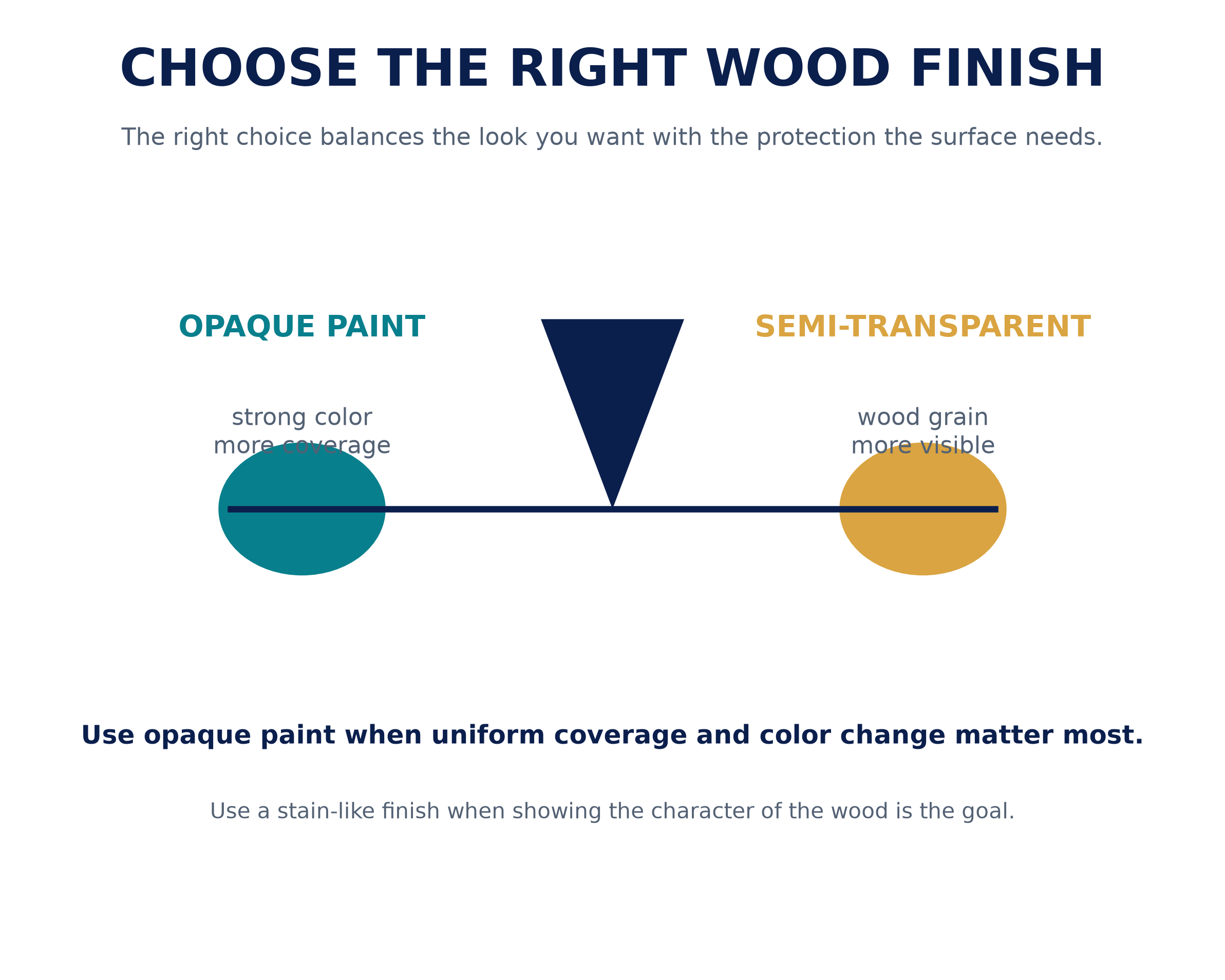
One of the most common questions is whether to paint or stain. The paint vs. stain choice really comes down to the look you want and the shape the wood is in. Both can protect; they just do it differently.
Paint sits on top, hides flaws, offers unlimited color, and lasts longest on siding and trim. Stain soaks in, shows the grain, and is easier to refresh, which makes it a favorite for decks and some fences. Weathered or previously painted wood usually points toward paint.
If you love a natural wood look, stain may be the better fit for the right surface. Compare it with our wood deck staining guide before you decide. For most siding and trim, though, paint is the longer-lasting call.
Primer and Prep for Long-Lasting Results
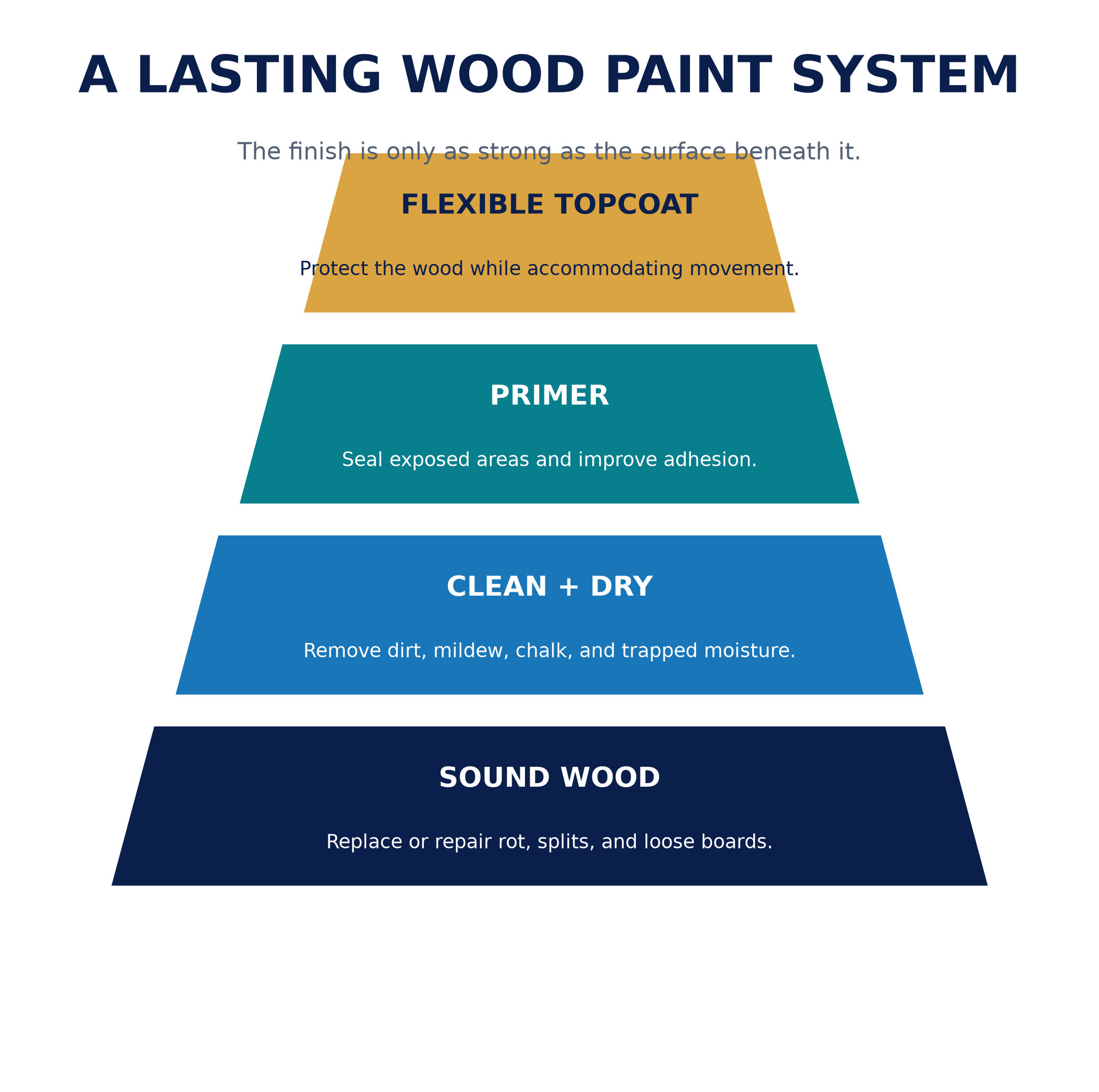
Prep is the difference between paint that lasts a decade and paint that peels in two years. Good surface preparation is most of a lasting exterior job.
- Scrape and sand. Sanding and scraping removes failing paint and dulls the surface for grip.
- Seal the vulnerable spots. Sealing knots and end grain stops tannin bleed and water wicking.
- Prime it. An exterior wood primer locks everything down and gives the topcoat something to grab.
- Paint it. Finish with two coats of paint for full, even, weatherproof coverage.
Bare and weathered wood especially needs a primer to seal and stabilize it first. On slick or previously coated spots, a bonding primer earns its keep. That is what gives you real paint adhesion instead of a coat that lifts.
Painting Siding, Trim, Fences, and Doors
Different surfaces have different needs, even on the same house. Here is how the approach shifts by surface.
- Exterior wood siding takes the most weather, so it needs full prep, primer, and two solid coats for even coverage.
- Trim and fascia see heavy sun and water runoff, making a tougher, glossier finish the smart choice.
- Fences and gates flex and touch the ground, so they need flexible paint and extra attention at the base.
- Exterior doors and shutters are high-touch focal points that reward a smooth, durable, higher-sheen finish.
Matching the product and prep to each surface is what makes a whole-house job look right and last.
Professional Exterior Wood Painting in Indianapolis
Exterior wood is not the place to learn on the job. Professional exterior painters know how to read each surface, choose the right primer, and time the work around the weather. That experience is what makes a finish last.
Our crews work with trusted PPG paint products chosen for our climate. On homes built before 1978, we also follow lead-safe practices during scraping and sanding. Every project is backed by our 3-year craftsmanship guarantee.
Whatever your siding, trim, or fences need, we will match the best exterior paint for wood to the job. The easiest first step is a free painting estimate, so you can skip the prep entirely. Request a free quote and we will walk your exterior with you.
Frequently Asked Questions
What is the best paint for exterior wood?
A 100% acrylic latex exterior paint is the top choice for most wood. It stays flexible as the wood expands and contracts, which prevents the cracking and peeling that stiffer paints suffer outdoors.
Should I paint or stain exterior wood?
Paint lasts longer, hides flaws, and offers any color, making it ideal for siding and trim. Stain shows the grain and refreshes easily, which suits many decks and fences. The surface and the look you want decide it.
Do I need to prime bare or weathered wood?
Yes. Bare, weathered, or previously stained wood needs a quality exterior primer to seal the surface, block tannins, and give the topcoat something to grip.
How do I keep exterior paint from peeling?
Prep is everything. Scrape and sand loose paint, seal knots and end grain, prime properly, and apply two coats. Skipping prep is the number one cause of peeling.
How many coats and what sheen should I use?
Plan on two coats over primer for durability and even color. A satin or semi-gloss sheen sheds water and cleans up best on wood siding, trim, and doors.
How long does exterior wood paint last in Indiana?
With quality paint and proper prep, a good exterior wood finish typically lasts many years, even through Indiana’s freeze-thaw cycles. Prep quality matters as much as the paint itself.


