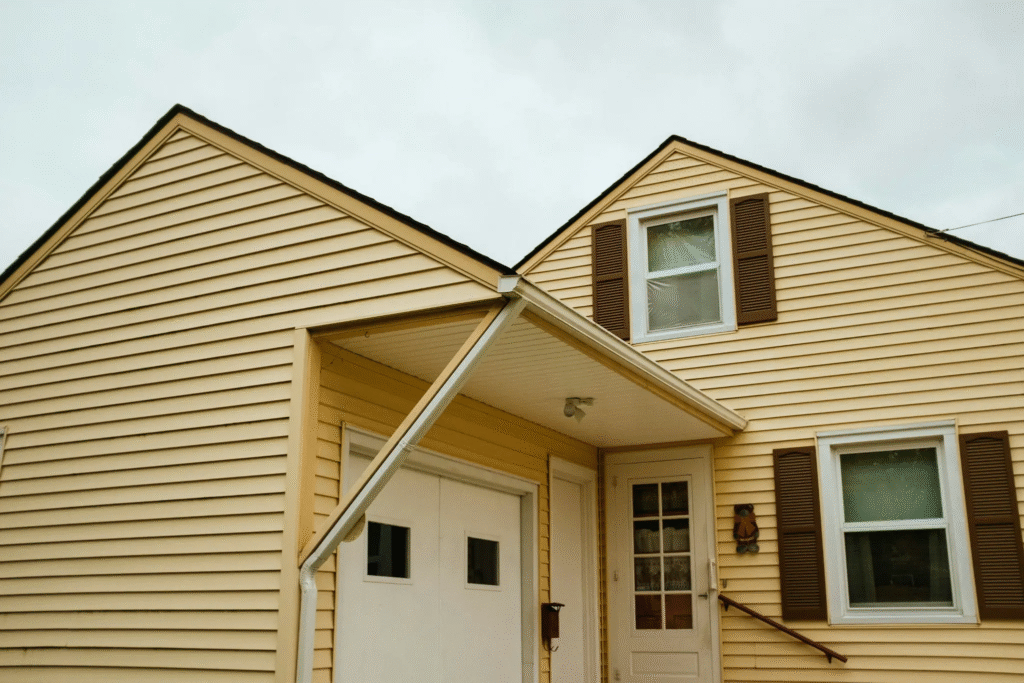
If you are planning to paint aluminum siding, the biggest thing to know is that the “paint” part is only one slice of the job. Aluminum siding is smooth, and older panels often get a chalky layer as they weather. That powder can stop new coatings from bonding. A professional crew handles deep cleaning, chalk removal, and the small fixes that keep water out.
A finished exterior should look even from the street and still look good when you are standing close. It should also help the surface resist grime, moisture, and sun. In Lafayette, Indiana and West Lafayette, shifting temps, spring storms, and humid summers can stress weak adhesion. That is why timing and surface checks matter just as much as the color you pick. The Painting Group is one example of a family owned team that aims to give back to the community and treat your home with real care.
Why Paint Aluminum Siding?
Aluminum siding can stay strong for a long time. What usually gives out first is the look. Fading, chalking, and an outdated color can make the whole home feel tired, even if the panels are still solid. Painting aluminum siding:
- Refreshes curb appeal without the cost and disruption of removing siding
- Adds a protective layer that can slow down future weather wear
- Lets you update color to match new trim, shutters, or roofing
- Helps seal seams and edges where water can work its way in
- Often costs far less than replacement while still giving a noticeable upgrade
Professional Process For Painting Aluminum Siding
A good result comes from a clear plan that fits your home and the local weather. In Tippecanoe County, spring and early fall are popular because days are milder and curing is steadier. Our recent field notes show that dew and shade can slow drying on north walls. This can happen even when the forecast looks perfect, so the plan should leave room for it. The process includes:
- Wash and remove chalking: The siding is washed to remove dirt, mildew, and pollen. It also removes the chalky film that rubs off on your hand. Laps and grooves get extra attention because residue hides there
- Tighten, repair, and reseal: Loose sections are secured, and small issues are handled before paint goes on. Old caulk that has cracked or pulled away is removed and replaced
- Prep bare metal and prime problem areas: Any exposed metal, rusty fasteners, or worn spots are scuffed and primed as needed. This helps the finish coat look even, instead of flashing or changing sheen
- Mask and protect surroundings: Windows, doors, brick, concrete, and fixtures are covered or taped off. Plants and mulch beds are shielded from overspray and drips
- Apply finish coats and inspect in real light: Coats are applied for even thickness and consistent sheen. A final walk around checks for thin spots, runs, and missed edges. Touch-ups are done after the surface has set, so the finish blends, not patches.
Factors Professionals Assess Before Painting Aluminum Siding
Before work starts, the siding should be checked in detail. This is where a good plan forms. It also helps you avoid surprises after the first coat goes on.
Surface Condition And Chalking Level
If you wipe the siding and get a dusty film, that is oxidation and chalking. The heavier it is, the more washing and rinsing is needed. If chalk is not removed, paint can peel like tape from a dusty wall.
Existing Paint Adhesion
Old paint can be fine, or it can be barely hanging on. A simple adhesion test and close look at edges can tell a lot. Coating over failing layers usually means the new finish will fail with it.
Moisture Paths, Seams, And Trim Lines
Water does not always show up indoors. It often slips behind trim, around windows, and along laps first. Seams, flashing, and caulk joints are checked so moisture is not sealed in under new coatings.
Sun Exposure And Surface Temperature
South and west walls can heat up fast in the afternoon sun. Shade walls stay cooler and damper longer. That changes drying time and how the paint lays down, so work often moves around the house as conditions change.
Access And Protection Needs
Tight side yards, sloped lawns, decks, and landscaping affect how the crew works. Safe access keeps the application consistent, especially on tall gables and second-story areas. It also affects how much masking and plant protection is needed.
Common Challenges With Aluminum Siding Painting
Chalking is the challenge that shows up most often. It can look harmless until it gets wet, then it turns slick and messy. If any of it stays on the surface, it becomes a weak layer between the metal and the new coating.
Old caulk is another common trouble spot. Caulk can crack, shrink, or pull away with age. Paint cannot bridge gaps that keep moving. Those joints need to be cleaned and resealed first, or water can keep sneaking in and stressing the finish.
Dents and ripples can also become more obvious after a uniform color goes on. Aluminum does not level out under paint. If panels are wavy, a dark color can highlight it, especially in strong sun.
Fast dry times can hurt the final look, too. A wall that feels hot to the touch can dry paint before it levels out. Wind can do the same thing, even on mild days. That is why a smart crew watches surface conditions.
Timeline And Scope Of Professional Aluminum Siding Painting
Project length depends on home size, prep needs, and the weather window. A smaller home with light chalking can move quickly. A larger home with heavy oxidation, lots of windows, and many repairs can take longer. Rain, humidity, and cool nights can slow curing, which can slow the whole schedule.
When painting aluminum siding, planning around seasonal swings helps. Late spring can bring storms. Mid summer can bring high humidity and strong sun. Early fall often gives steadier days, which makes scheduling easier.
A professional scope usually includes washing, surface prep, minor repairs, resealing joints, priming as needed, and finish coats. It also includes full masking and protection of surrounding surfaces, plus daily cleanup. A solid contractor will spell out what is included and what is not. That can include notes on panel replacement, major carpentry, or hidden moisture problems behind the siding.
Professional Standards For Painting Aluminum Siding
Consistency
Good work should look consistent in both shade and bright sun. You should see crisp edges at trim, even coverage at lap lines, and a smooth finish with no heavy runs. Industry best practice is to check the home from several angles because thin spots can hide until the light hits just right.
Material Choice
Material choice matters, but it only works when it matches the prep and the surface. The best paint for aluminum siding is the one that bonds well after proper cleaning and priming. It also needs to hold its sheen in your climate. If the prep is rushed, even a premium coating can fail early.
Longevity
Long-term performance also depends on how the job is managed day-to-day. You should expect clear communication, careful protection of your belongings, and a work site that stays orderly. A lot of homes in the Lafayette area mix aluminum with wood trim, soffits, and gutters, so details matter. Those edges and transitions are where a rushed job tends to fail first.
Bottom Line
If you want a team that understands local conditions and treats your home with respect, The Painting Group is based in downtown Lafayette. Our services cover exterior and interior painting, kitchen cabinets, staining, epoxy floors, and commercial work. This helps when you want to coordinate projects and avoid repeat disruption.
Ready to refresh the outside and get a clear plan that fits your home and your schedule. For painting aluminum siding, call The Painting Group at 765 553 4203. You can also visit thepaintinggroup.net to request an estimate. Expect careful prep and thoughtful timing.